
If you have been referred for Interventional Radiology in Coffs Harbour, Kare Radiology provides a range of minimally invasive image-guided procedures from our Toormina clinic.
Interventional radiology uses medical imaging such as ultrasound or CT to help guide procedures with a high level of accuracy. By allowing the radiologist to see the area being treated in real time, image guidance can help precisely target a joint, soft tissue structure, fluid collection, lump or other area requiring assessment or treatment.
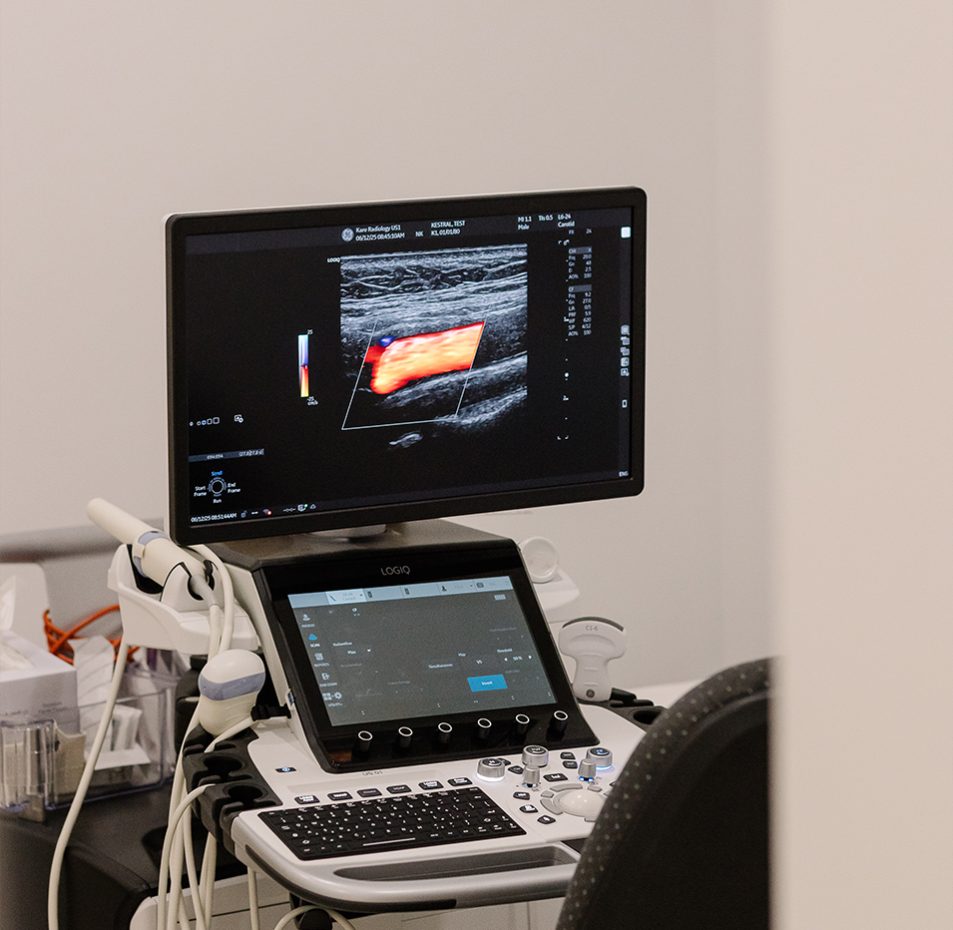
At Kare Radiology, we combine advanced imaging technology with experienced radiologists and a patient-first approach. Our interventional procedures are delivered with a strong focus on precision, safety, communication and patient comfort.
Our interventional services include:
Each procedure is performed according to your referral and individual clinical needs.
Interventional radiology is a specialised area of medical imaging where imaging technology is used to guide a procedure inside the body. Rather than relying solely on external landmarks, the radiologist can use ultrasound or CT images to see the target area and guide a needle or other instrument into the correct position.
This image-guided approach can be used for both diagnostic and therapeutic procedures. For example, your doctor may refer you for an image-guided injection to help manage pain and inflammation, or for a biopsy or aspiration to obtain a sample for further testing. Because many interventional radiology procedures involve only a needle or very small access point, they are generally considered minimally invasive.
Kare Radiology provides image-guided cortisone injections using ultrasound or CT guidance. Cortisone is an anti-inflammatory medication that may be injected into or around a joint, tendon, bursa or other structure to help reduce inflammation and manage pain.
Image guidance allows the radiologist to identify the exact area being treated and carefully position the needle before the medication is administered. Your healthcare practitioner may recommend an image-guided cortisone injection for conditions affecting areas such as the:
The exact type of injection and imaging guidance used will depend on your referral and the area being treated.
Many joints, tendons and soft tissue structures are small or located close to other important anatomy. Using ultrasound or CT guidance allows the radiologist to visualise the target area during the procedure rather than relying on touch alone. This can help improve the accuracy of needle placement and ensure medication is delivered to the intended location.
Ultrasound guidance has the additional benefit of providing real-time images as the needle moves, while CT can provide detailed cross-sectional images for areas where greater anatomical detail may be required.
Your radiologist will determine the most appropriate imaging method for the procedure.
A biopsy involves taking a small sample of tissue so it can be examined further, usually under a microscope by a pathology laboratory. Your doctor may recommend a biopsy when an area identified on examination or imaging requires further investigation.
Image-guided biopsy uses ultrasound or CT to help locate the area and guide the biopsy needle into the correct position. This approach can help radiologists accurately sample a specific lesion, lump or area of abnormal tissue while minimising disruption to surrounding structures.
The exact biopsy technique will depend on the area being investigated and the type of tissue sample required.
If you have been referred for an image-guided biopsy in Coffs Harbour, Kare Radiology can perform selected biopsy procedures using advanced medical imaging. Before the procedure, the radiologist reviews your referral and relevant imaging to determine the most appropriate approach. The skin is generally cleaned and local anaesthetic may be used to numb the area.
Ultrasound or CT guidance is then used to accurately position the needle and obtain the required tissue sample. The sample is usually sent to a pathology laboratory for analysis. Your referring doctor will discuss the pathology results with you once they are available.
A fine needle aspiration, commonly known as an FNA, is a procedure that uses a thin needle to remove a small sample of cells or fluid from a lump or other area requiring investigation. FNA can be used to assess a variety of superficial and deeper structures depending on your referral. Ultrasound guidance can help the radiologist see the target area clearly and place the needle precisely. The collected sample is then sent for laboratory analysis where required.
Compared with some other biopsy techniques, FNA generally uses a very fine needle and may be completed relatively quickly.
Fluid aspiration is a procedure used to remove fluid from an area of the body using a needle. Your healthcare practitioner may recommend aspiration when fluid has collected around a joint, within a cyst, bursa or another area.
Ultrasound imaging can be particularly useful during aspiration because it allows the radiologist to identify the fluid collection and see the needle as it enters the area. Depending on the clinical reason for the procedure, fluid may simply be removed to relieve symptoms or may be collected and sent for further analysis.
In some cases, an aspiration may be combined with another treatment such as an injection, depending on your referral.
Kare Radiology provides image-guided fluid aspiration in Coffs Harbour for appropriate referrals. The procedure is generally straightforward and minimally invasive.
After locating the fluid collection with imaging, the radiologist carefully guides a needle into the area and removes the required fluid. The amount removed and whether the sample needs laboratory analysis will depend on the type of procedure and the reason it has been requested. Our team will explain what to expect before the procedure and provide any relevant instructions for afterwards.
The exact process depends on the procedure you are having, but most image-guided interventions follow a similar approach. When you arrive, our team will confirm your referral, review relevant medical information and explain the procedure. You will then be positioned so the radiologist can clearly access the area requiring treatment or investigation.
Ultrasound or CT imaging is used to locate the exact target area. The skin is cleaned, and local anaesthetic may be used depending on the procedure. The radiologist then carefully guides a needle into the required position while monitoring its location using medical imaging. Once the procedure is complete, a small dressing may be applied. Some patients can leave shortly afterwards, while certain procedures may require a short period of observation.
The level of discomfort varies depending on the type of procedure and the area being treated. Many image-guided procedures involve only a needle, and local anaesthetic may be used to numb the skin and surrounding tissues when appropriate.
You may feel some pressure or brief discomfort during the procedure. Our team will explain what to expect beforehand and will focus on helping you remain as comfortable as possible.
If you are anxious or have had difficulty with previous procedures, let us know so we can talk you through the process before starting.
Preparation requirements vary depending on the type of interventional procedure you are having. Some injections and aspirations may require very little preparation, while biopsies and other procedures may require additional medical information or specific instructions.
When you make your booking, our team may ask about:
It is important to follow any instructions provided before your procedure. Do not stop prescribed medication unless you have been specifically instructed to do so by your doctor or healthcare team.
Yes. A valid referral is required for interventional radiology procedures at Kare Radiology. Your referring doctor or eligible healthcare practitioner will specify the procedure required and the area that needs to be treated or investigated.
Kare Radiology accepts valid imaging referrals even if the referral form is addressed to another imaging provider. When attending your appointment, please bring your referral, Medicare card and any relevant previous scans or reports.
Previous imaging can be particularly useful for interventional procedures because it may help the radiologist plan the most appropriate approach.
Yes, bookings are preferred for interventional procedures.
Unlike many general X-rays and some ultrasound examinations, interventional radiology requires additional preparation, clinical review and appropriate time to perform the procedure safely. When you contact Kare Radiology, our team can review your referral, explain any preparation requirements and arrange a suitable appointment.
If additional information is required before your procedure, we will let you know when you book.
After an image-guided cortisone injection, you may be given specific instructions relating to activity, exercise or care of the injection site. Some people experience temporary discomfort after an injection before the intended effect develops.
The response to cortisone varies between individuals, and your referring healthcare practitioner will advise you on your broader treatment and rehabilitation plan. It is important to follow any instructions provided by the radiologist and your referring practitioner after the procedure.
Following a biopsy, FNA or aspiration, a small dressing may be placed over the needle site. You may be given instructions about keeping the area clean, activity restrictions or symptoms to watch for after leaving the clinic.
The exact aftercare will depend on the procedure and the area involved. If a sample has been collected for pathology, your referring doctor will usually receive and discuss the laboratory results with you separately. Our team will explain the immediate aftercare requirements before you leave Kare Radiology.
One of the main advantages of modern interventional radiology is the ability to use high-quality medical imaging throughout the procedure. Kare Radiology uses CT and ultrasound guidance for image-guided pain management and musculoskeletal injections.
Ultrasound allows the radiologist to see structures such as tendons, joints and fluid collections in real time, while CT provides detailed cross-sectional imaging of deeper or more complex anatomy.
Selecting the appropriate imaging method helps the radiologist accurately target the required area while taking surrounding structures into consideration.
Many interventional radiology procedures provide an alternative to more invasive methods of obtaining a tissue sample, draining fluid or delivering medication to a specific area. Because the procedure is guided through imaging and generally involves a needle rather than a surgical incision, recovery is often relatively straightforward.
The benefits and suitability of any procedure depend on your individual condition. Your healthcare practitioner will determine whether an interventional procedure is appropriate and discuss how it fits into your broader diagnosis or treatment plan.
Kare Radiology works closely with GPs, specialists and allied health practitioners throughout Coffs Harbour and the Mid North Coast.
Interventional procedures often form part of a broader treatment or diagnostic pathway, making communication between the radiologist and referring practitioner particularly important.
Kare Radiology provides referrers with secure access to patient imaging and reports, typically within 24 hours for diagnostic studies, with urgent reporting available where clinically required.
Our radiologists are also available for discussion and collaboration with referring practitioners when further clinical input is required.
Having a biopsy, injection or aspiration can feel more daunting than having a standard diagnostic scan. At Kare Radiology, our team places a strong emphasis on explaining the procedure clearly and helping patients understand what to expect.
Before your procedure, we will talk you through the important steps, answer questions and make sure you understand any preparation or aftercare requirements. Our focus is on combining precision and safety with genuine patient care.
As a locally owned, non-corporate radiology practice, Kare Radiology has built its approach around high-quality imaging, experienced healthcare professionals and a more personalised patient experience.
Kare Radiology provides Interventional Radiology Coffs Harbour services from our clinic at Toormina Gardens Shopping Centre. Our location at Shop 35–37, 5 Toormina Road, Toormina NSW 2452 provides convenient access for patients travelling from Coffs Harbour, Toormina, Sawtell, Boambee, Bonville and surrounding areas.
The clinic offers advanced CT and ultrasound imaging in a modern facility with ample free parking and wheelchair-friendly access. Providing interventional procedures locally means patients can access image-guided injections, biopsies, FNAs and fluid aspirations without needing to travel outside the Coffs Harbour region for many procedures.
If your doctor or healthcare practitioner has referred you for Interventional Radiology in Coffs Harbour, contact Kare Radiology to arrange your appointment. Our interventional services include image-guided cortisone injections, biopsies, fine needle aspirations and fluid aspirations, performed using advanced imaging guidance where appropriate. Our team can review your referral, explain the procedure, provide preparation instructions and answer any questions before your appointment.
With advanced CT and ultrasound technology, experienced radiologists and a strong focus on patient care, Kare Radiology provides precise, minimally invasive interventional procedures for patients across Coffs Harbour and the Mid North Coast.